As the weather continues to warm up and the days get longer, people begin to emerge from their winter hibernation and step out into their gardens once again. This year, when preparing your garden for the growing season, I encourage you to think about the role your landscape plays in supporting wildlife and the environment. Each garden, whether you have an apartment balcony or a large yard, is a puzzle piece of the larger ecosystem that we all call home.
What steps can you take in your landscape to improve your impact on wildlife and the environment?
Minimize your use of fertilizers and pesticides.- Always take a soil test before applying fertilizer! Your soil report will provide you with a fertilizer recommendation specific to your landscape and what you are trying to grow.
- Good cultural control methods such as correct watering practices, choosing insect/disease resistant plant varieties, and practicing good sanitation can help reduce the amount of pesticides required in the landscape.
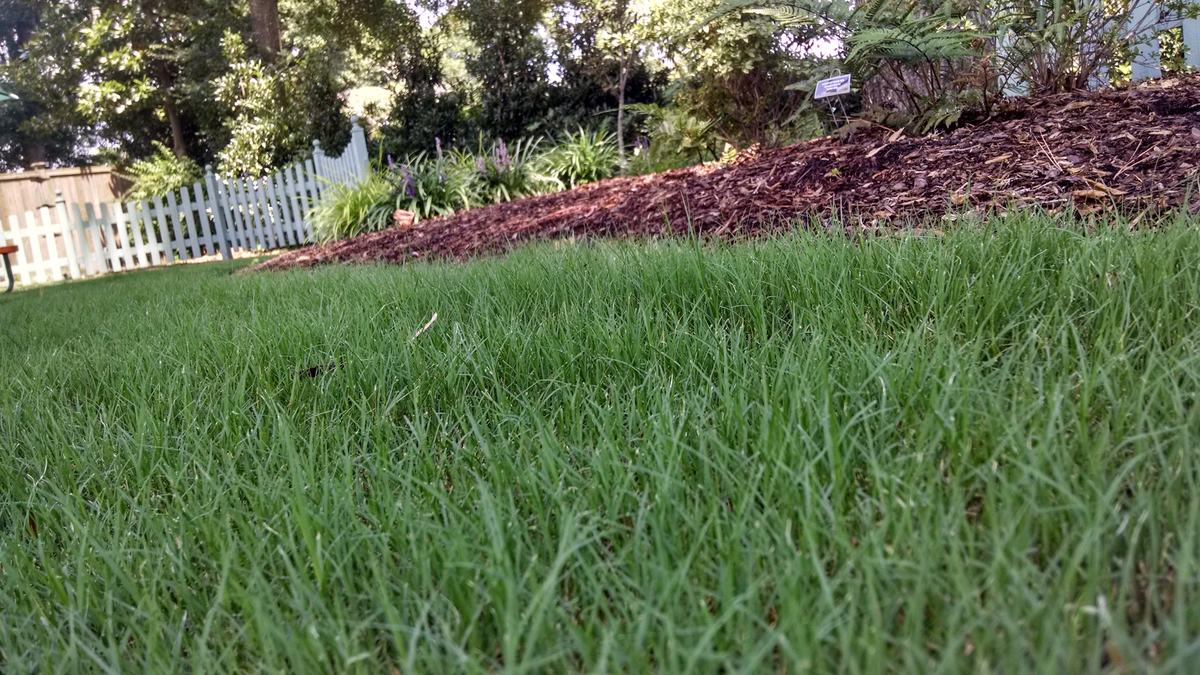
Add a fresh layer of mulch around trees, shrubs, and garden beds.
- Pine straw is an abundant resource in our area and is a great option for an organic mulch.
- Mulch provides numerous benefits including weed suppression and increased moisture retention in the soil.
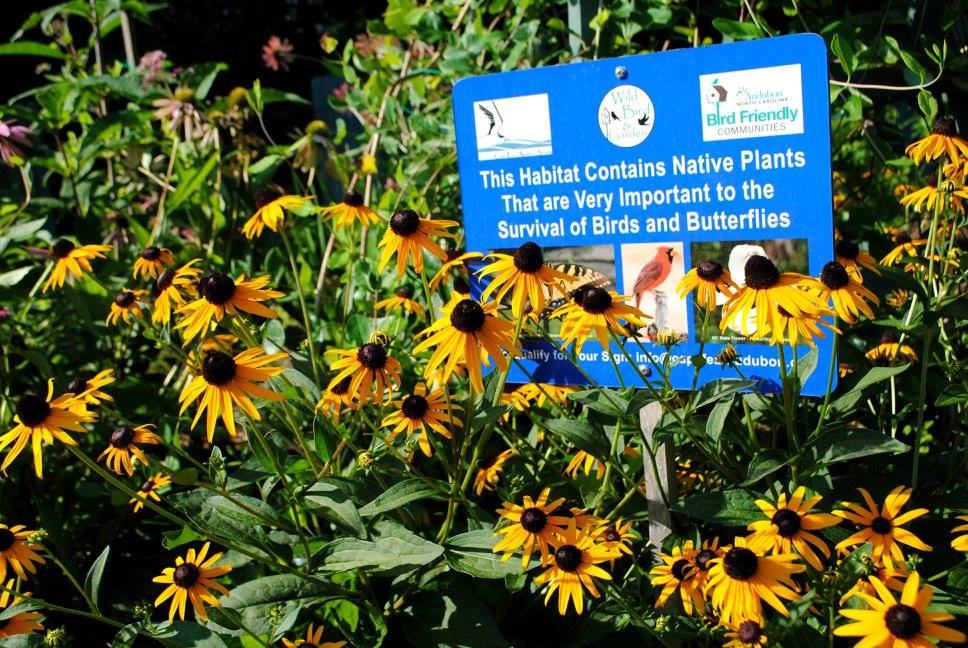
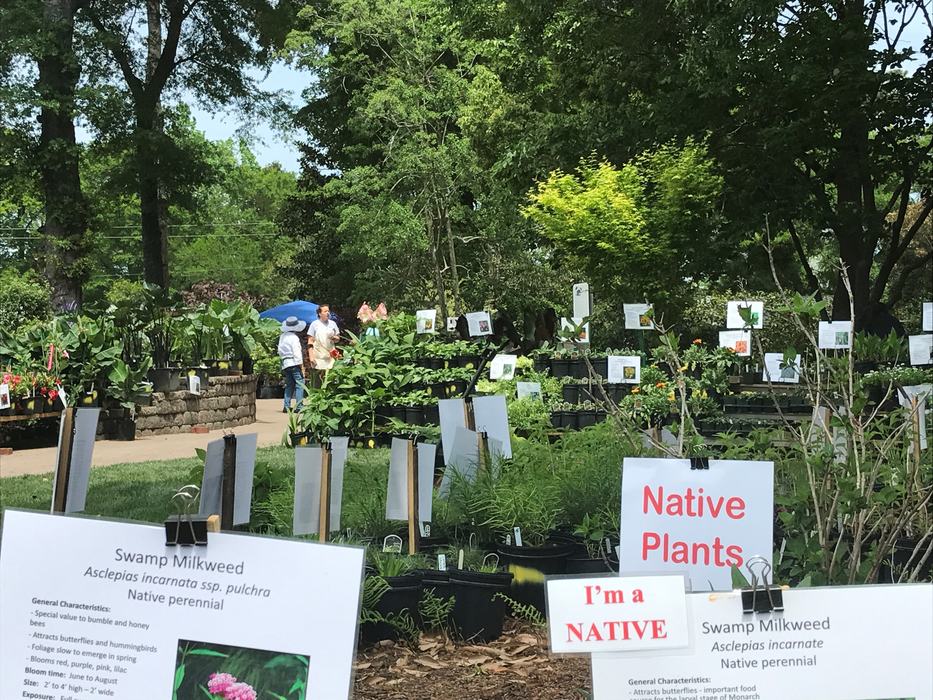
Introduce more native plants in your garden.
- Native plants are better adapted to our local climate, thus don’t require as much maintenance as non-native plants.
- Native plants are important food sources for local butterflies, birds, and other wildlife.
- Visit the Native Plant Garden at the Arboretum to see how you can use native plants in your landscape.