Biologists have always had a natural itch for classifying and organizing life on Earth. Carl Linnaeus, the father of taxonomy, created binomial nomenclature during the 18th century. Linnaeus was so passionate about his Latin-based classification system that he gave himself the binomial of Carolus Linnæus. While centuries-old regulations for binomial nomenclature may exist, there are no rigid rules for field journaling. Creating a field journal is an intentional way to get outside and admire flora and fauna using descriptions, sketches, or even photographs.
Understanding Nature Through Field Journaling
(Updated: Sept. 24, 2025, 4:38 a.m.)
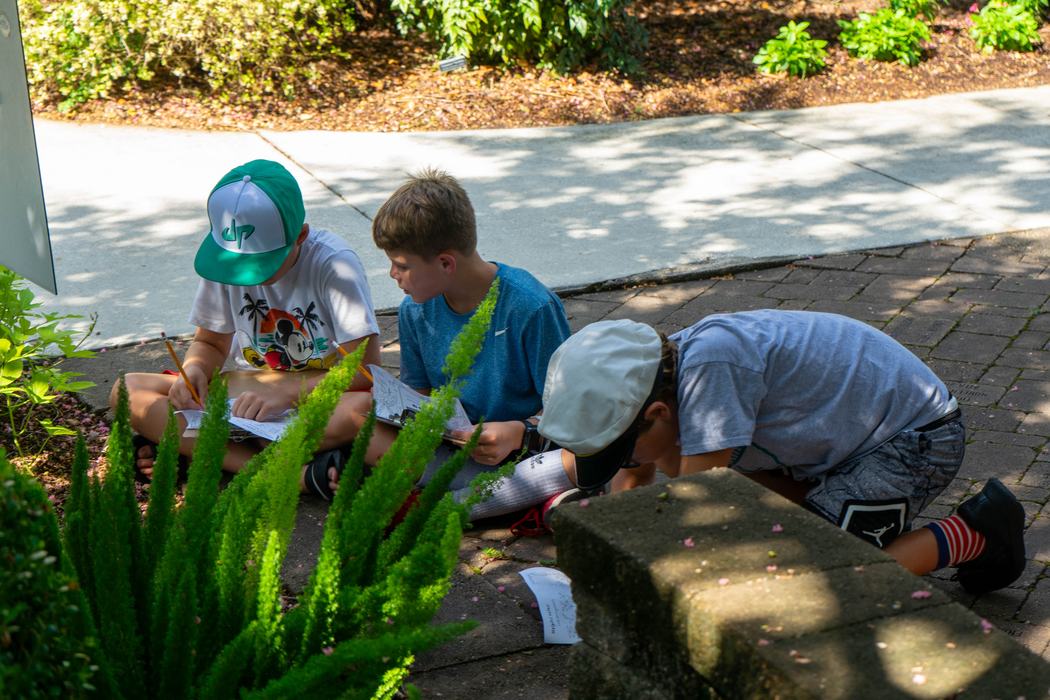
If you wish to delve into this practice, you can start by selecting a surface for your observations; this could be a blank or lined notebook, a collection of index cards, or a tablet if you’d like to have a digital journal. To start your first entry, you may want to record the date, time, and location in addition to a description of the day’s weather. This information can help you identify patterns in your observations and species’ habits and behavior.
After you’ve chosen your first subject, may it be a plant or an animal, attempt a quick sketch. You don’t have to be an artist to connect with nature through field journaling, but creating a visual of your subject makes the process a bit easier. Consider the specimen’s features and identifiable properties as if you have never seen it before, and you hope to share its likeness with the world. If you are examining a sunflower, for instance, you could make a record of its exterior ray flowers and interior disc flowers. These are distinct characteristics of asters that, if recorded, would make your entry more robust. In the event that you are not familiar with the technical terminology associated with your specimen, record what you can using the terms you do know and return to your entry later on after doing a bit of research. If you are using monochrome media, like an ink pen or a pencil, taking note of the specimen’s coloration can also enhance your entry and help with species identification.
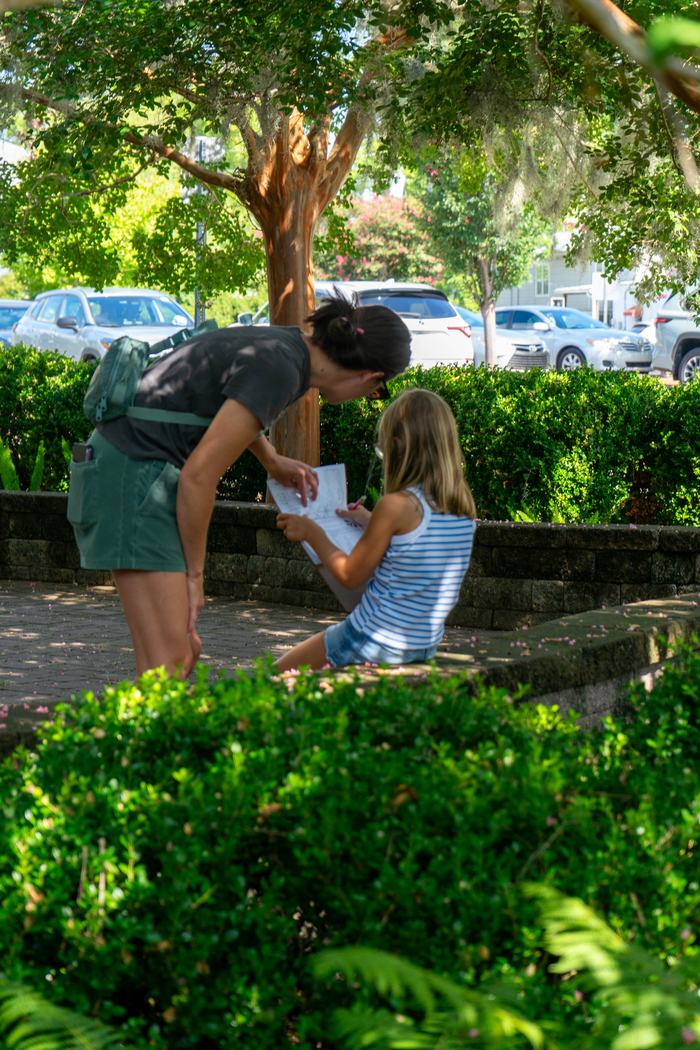
Putting these techniques into practice, our latest Extension Explorers session invited students to join me in field journaling by documenting the nature around the N.C. Cooperative Extension, New Hanover County Center and Arboretum. After reviewing the basics of field journaling, we made our first observations in the herb garden, recording the leaf arrangements, aromatic compounds, and some of the historical uses of each plant. Some parents joined in on the process, helping students identify their herb of choice and sharing how they incorporate it into their dishes at home. By the end of our session, students had not only learned to observe nature more closely, but were given a glimpse of how interconnected humans are with the plants that surround us every day.
Gabriella de Souza serves as the Consumer Horticulture Agent at the N.C. Cooperative Extension, New Hanover County Center and Arboretum, located at 6206 Oleander Drive. For more information about consumer horticulture, contact her at gadesouz@ncsu.edu or 910-798-7600.
Join our mailing list!
Enter your email address to receive updates.
Written By