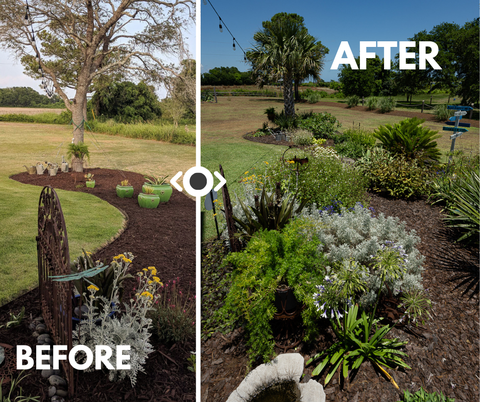
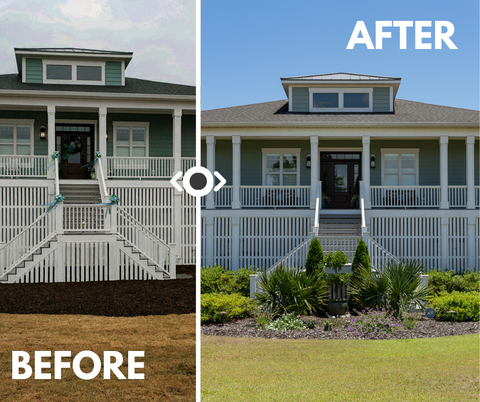
What is Nature at Home?
Would you like to learn how to make your yard, garden, or porch a healthy habitat for native plants, birds, butterflies, and other wildlife? Are you interested in being part of a movement to restore crucial biodiversity to your home landscape? The Nature at Home program is here to help!
Apply now to have Extension Master Gardener℠ volunteers visit your property to identify native and invasive plants and share simple practices to better equip your growing spaces to enable pollinators to flourish. If your property doesn’t currently qualify for certification as a wildlife-friendly habitat, we will recommend steps to help you move in that direction. When your property meets the qualifications you will receive an attractive Nature at Home sign to display to help spread the word about what we can do to restore our local ecosystem. If you are not interested in certification and simply want to chat about your garden with knowledgeable volunteers, we are happy to do that.
How it Works
Nature at Home Ambassadors are Extension Master Gardener℠ volunteers with specialized training in native plants, local ecology, and research-based practices for restoring our natural ecosystems to benefit people, birds, pollinators, and other wildlife.
When you participate in the program, a team of Nature at Home Ambassadors will join you for a pre-scheduled, one-hour site visit to your property. During this consultation, volunteers will help you identify native and invasive species while discussing simple ways to improve your garden’s health. Following the visit, you will receive a folder of curated resources and a detailed, written report specific to your landscape within two weeks.
If your property meets the necessary qualifications for a wildlife-friendly habitat, it can be certified on the spot. If not, your personalized report will provide clear recommendations to help you move toward certification, with a follow-up visit available within two years at no additional cost. For those who aren't interested in formal certification, our Ambassadors are also happy to simply chat about your garden and share their knowledge to help you reach your personal gardening goals.
How to Apply
Ready to restore your local ecosystem? You can begin the process by applying online or viewing our program brochure for more details. Once your application is received, we will coordinate with you to schedule your site visit. Once certified, you will receive an attractive Nature at Home sign to display on your property, helping to spread the word and inspire your neighbors to join the movement.
Additional Resource to Prepare Your Landscape
General Nature at Home Contents
- Homeowner Folder Contents
- Nature at Home Practices and Principles
- Nature at Home Brochure
- Recommended Native Plants for Southeastern NC
- Coastal Native Plant Sources (NC)
Helpful Links for Eco-Friendly Landscaping
- How to Create Wildlife-Friendly Landscapes
- Coastal Landscapes Initiative
- Landscaping for Wildlife with Native Plants
- Butterflies in Your Backyard
- Managing Backyard and other Urban Habitat for Birds
- How to Make Wildlife Friendly Landscapes
- NC State Extension Garden Plant Toolbox
- Vegetable Gardening: A Beginner’s Guide
- Organic Lawn Care – NC State
- Citizen’s Guide to Protecting Wilmington’s Waterways
- Cape Fear Audubon Society
- Audubon’s Native Plant Finder
- Leave Your Leaves
- NC Invasive Plant Council
- Replace Invasives with Natives Flyer
- Smartyards Guide – NC Coastal Federation
- Keystone Native Plants Eastern Temperate Forests
- Butterfly Highway Newsletter – NC Wildlife Federation
- NC Native Plant Council Handouts
- NC Native Plants for Coastal Landscape – Charlotte Glen
- Extension Gardener Handbook Chapter 12 – Native Plants
- Chatham Mills Pollinator Paradise Garden
- Bringing Nature Home and Nature’s Best Hope by Doug Tallamy
- Dr. Tallamy Presentation - Native Keystone Plants for Wildlife
- A New Garden Ethic presentation video
- Xerces Society for Invertebrate Conservation and related links: Pollinator Resource Center; Pollinator Conservation Program; Native Plant, Seed, and Services Directory; Bee Safe Nursery Plants; Peoples’ Garden Initiative with NRCS; Bee City Campus; Pollinator Habitat Kits
Citizen Science Opportunities