As 2025 comes to a close, many of us are pausing to reflect on the year behind us and think about what we hope the next year will bring. This season often invites goal-setting and intention-making, whether that mean improving our health, strengthening relationships, or finding more balance in our daily lives. According to a Pew Research study, health and wellness consistently top the list of New Year’s resolutions. Seventy-nine percent of people set goals related to health, exercise, or diet, while 61% focus on money or finances. Personal relationships and hobbies each account for 57% of resolutions, and nearly half of people set goals related to work or career.
As someone who thinks about food and health both professionally and personally, I sometimes worry that our most common resolutions miss the bigger picture. Goals centered on diet and exercise are often framed as obligations, things we “have to” do rather than things we get to enjoy. Food becomes something to count and movement becomes something we schedule begrudgingly. When that happens, it’s no surprise that motivation fades quickly.
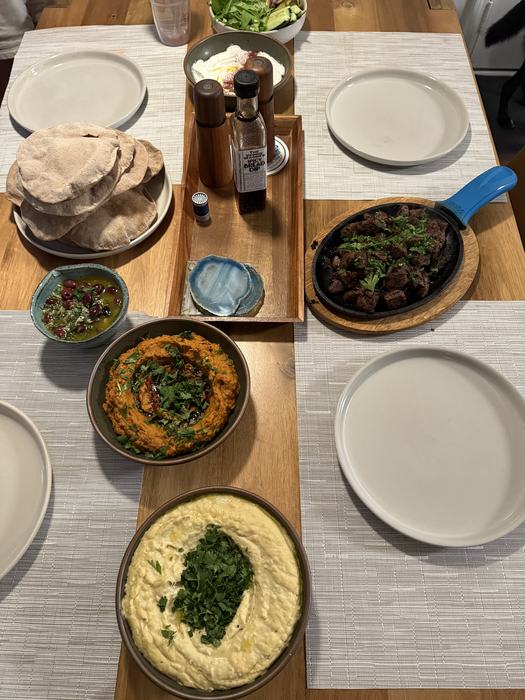
Food is many things at once: it’s nutrition, it’s memory, and it’s a way to gather. It often sits at the center of celebrations, traditions, and everyday moments of connection. Meals bring people together, and recipes tell stories about our families, our communities, and our sense of place. Physical activity comes in many forms, from regular walks with friends to group exercise classes or time spent outdoors. During my nutrition education classes, I often remind people that the most important whole foods to buy are the ones you’ll actually eat, and the most important exercise is the movement you’ll actually do. That’s not to say that we shouldn’t set goals, it’s just important to set attainable goals so the motivation remains.
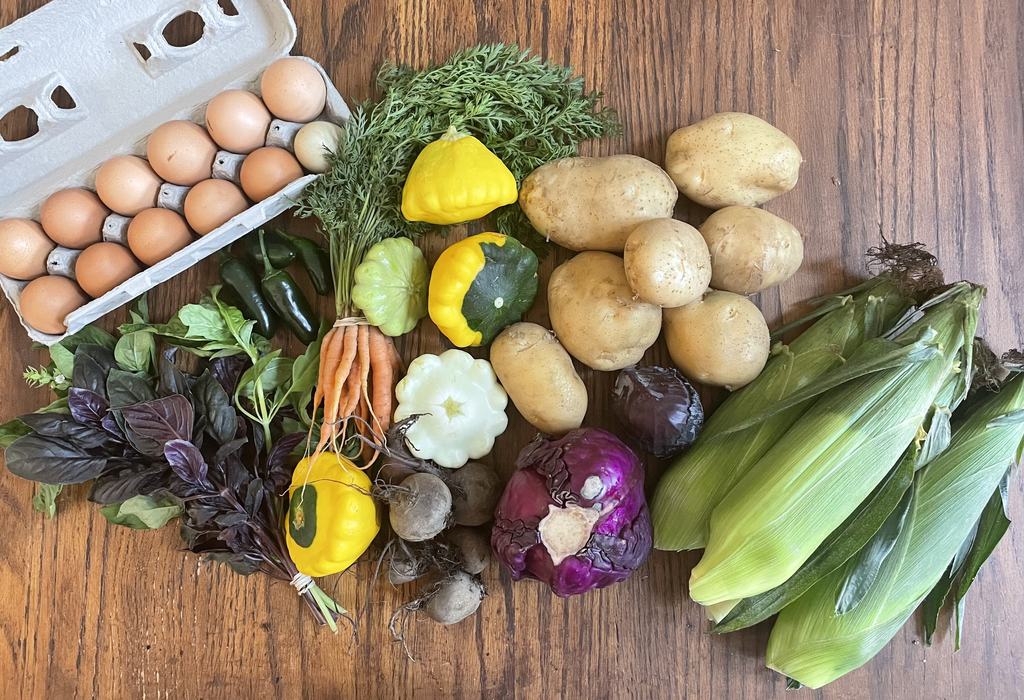
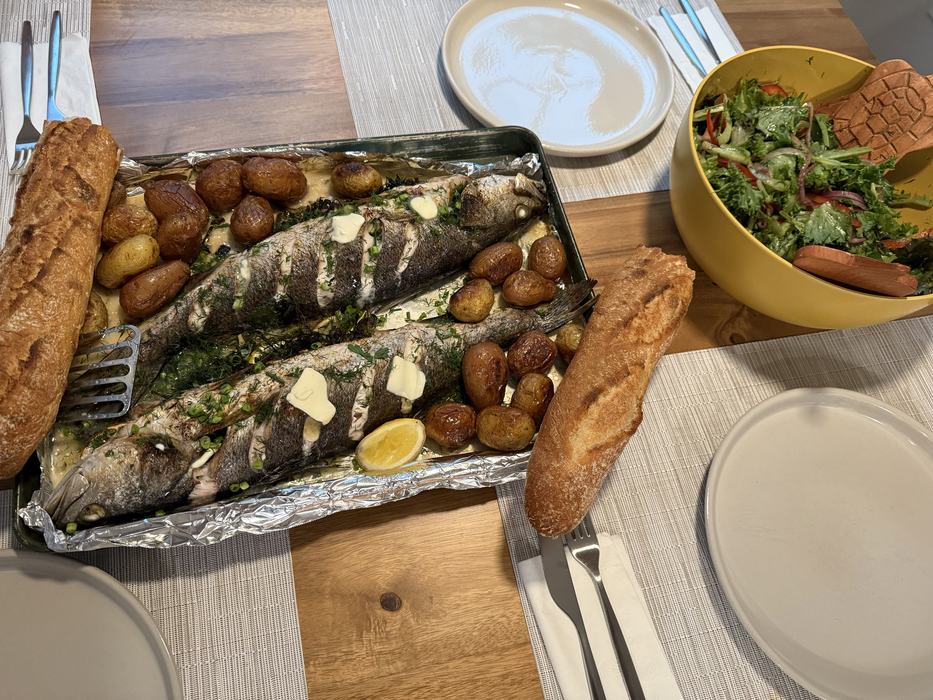
Rather than promising yourself a “perfect” diet or an intense exercise routine, think about small, enjoyable shifts that support your overall well-being, then re-evaluate regularly throughout the year. This might mean increasing your fruit and vegetable intake, finding simple ways to boost fiber, or visiting a farmers market at least seasonally to see what’s growing locally. It could mean cooking more meals at home, experimenting with a new recipe every few weeks, or hosting a casual dinner with friends a couple of times a month.
Life happens, routines change, and motivation naturally ebbs and flows. What matters most is building an overall lifestyle that supports physical health while also leaving room for enjoyment, connection, and rest. This year I’ll be focusing on more consistency in exercise, getting outdoors more, and connecting over meals with loved ones more regularly.
Morgan King is the Family & Consumer Sciences Agent for N.C. Cooperative Extension Center – New Hanover County Center, located at the Arboretum, 6206 Oleander Drive. The gardens are free and open daily from 8 a.m. to 5 p.m. She can be reached at morgan_king@ncsu.edu or 910-798-7660.