Friday, June 20th marked the official start of summer, and if you’ve spent even one season in Wilmington, North Carolina, you know to expect high temperatures and high humidity. While these conditions can fuel summer growth, they also create the perfect environment for common garden stressors like powdery mildew, insect damage, and heat stress. Instead of reacting with one-size-fits-all treatments, gardeners can turn to Integrated Pest Management (IPM). IPM is a science-based, environmentally sensitive approach to managing garden problems that minimizes risks to people, pollinators, and the planet.
IPM Approaches for Summer Garden Challenges
(Updated: July 11, 2025, 8:32 a.m.)
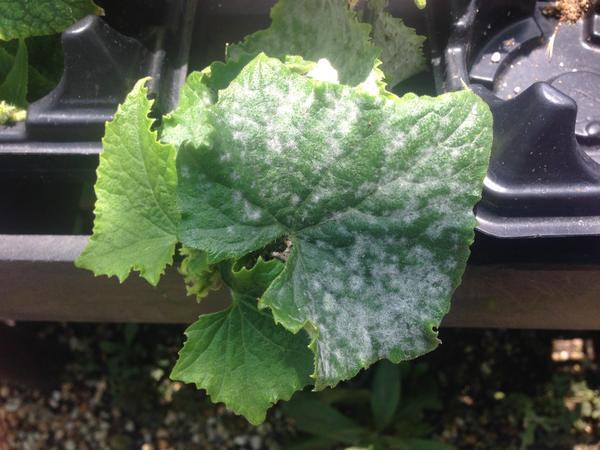
One of the most recognizable summer garden problems, powdery mildew is a fungal disease that affects a wide range of plants, including cucurbits (like cucumbers and melons), tomatoes, and grapes. Unlike some pathogens, powdery mildew fungi are host-specific, meaning the strain infecting your squash likely won’t spread to your basil.
These fungi thrive in humid conditions and take advantage of moisture on the surface of leaves. This is why it is so important to avoid overhead watering or wetting the leaves when irrigating. To manage powdery mildew, the first step is to understand its biology. The fungus forms a visible white or gray coating on the surface of leaves, which can impair photosynthesis and lead to reduced yields. Remove infected foliage carefully, and isolate affected plants if possible. Prune surrounding vegetation to increase air circulation and reduce humidity. For treatment, consider organic options that contain fungicides like potassium bicarbonate. This disrupts the fungus’s cellular processes and may help prevent its spread. Always follow label instructions and consider using any spray during cooler parts of the day to minimize plant stress.
It’s easy to panic when you see chewed leaves, but not all insect damage is a bad thing. Just because an insect is feeding on your plant doesn’t mean it’s a pest in need of control. Many insects are part of a healthy garden ecosystem and some feeding is to be expected. Rather than trying to eliminate all insect damage, aim to minimize extreme damage. One effective IPM strategy is to plant with intention. Be sure to include a variety of plants to give insects more options. This can help dilute pressure on your primary crops, allowing you to enjoy harvests even while sharing your garden with pollinators, caterpillars, and other arthropods. When intervention is needed, start with regular scouting. Check for signs of pest populations such as clusters of aphids, holes from beetles, or leaf discoloration from spider mites. Introduce or support beneficial insects like ladybugs and lacewings, and avoid broad-spectrum pesticides that harm both pests and pollinators. When necessary, use low-toxicity options like insecticidal soap or a horticultural oil.
Plants under heat stress are more vulnerable to pests and diseases. Mulching, watering deeply at the base of the plant, and choosing heat-tolerant or regionally adapted plant varieties can reduce this stress. Avoid fertilizing during extreme heat, as this can push growth when the plant is already struggling to stay hydrated. Remember that IPM encourages a long-term, proactive approach. By monitoring your garden, understanding the specific challenges each season brings, and using a combination of cultural, biological, and chemical tools only when necessary, you can protect your plants and the environment from avoidable harm.
Gabriella de Souza is the Consumer Horticulture Agent and N.C. Cooperative Extension - New Hanover County Center. The office is located at the Arboretum, 6206 Oleander Drive, and is open weekdays from 8 a.m. to 5 p.m. Reach her at gadesouz@ncsu.edu or 910-798-7660.
Join our mailing list!
Enter your email address to receive updates.
Written By